


『Parshall Flume Flow Meter: Open Channel Wastewater Volume Calculation』Related information(flow rotameter|digital flow meter|balo meter|hydraulic flow meter|volumetric meter|positive displacement meter|pitot tube flow meter|displacement meter|cfm meter|variable area flow meter|inline flow meter|differential pressure flow meter|calibrated flow meter|velocity meter|paddle wheel flow meter|oval gear flow meter|anemometer hvac|multiphase flow meter|doppler flow meter|thorpe tube flowmeter|heat flow meter)

How a Parshall Flume Flow Meter Calculates Wastewater Volume in Open Channels
Quick Answer: A Parshall flume meter measures open channel flow by forcing wastewater through a precisely shaped throat. An ultrasonic level sensor reads the upstream water head, and the Silver Instruments flow transmitter converts that head into real‑time flow rate and total volume using built‑in ISO 9826 equations. You get ±2–3% accuracy for billing, discharge reporting, and lift station monitoring without any moving parts in the water.
When You Need a Parshall Flume Instead of a Full Pipe Meter
Wastewater plants often deal with gravity‑fed channels, not pressurized pipes. A standard magnetic flow meter needs a full pipe to work. In an open channel, the pipe is never full. Here is the thing: a Parshall flume creates a known constriction that forces the water to accelerate and form a stable level‑to‑flow relationship. No moving parts sit in the flow, so rags, wipes, and grit pass straight through. Most engineers skip the idea of inserting a V‑notch weir if the channel carries heavy solids, because the weir plate gets clogged. A Parshall flume handles that without complaint.
How the Volume Calculation Actually Works Inside the Transmitter
The Silver Instruments open channel flow meter works with a non‑contact ultrasonic sensor mounted above the flume. The sensor fires a sound pulse down to the water surface. It measures air temperature constantly to correct the speed of sound, because a 1 °C shift changes the reading enough to throw off the totalizer. The transmitter then calculates the water depth with 1 mm resolution. That depth is the upstream head Ha. The flume itself has a known throat width and a discharge coefficient table stored in the instrument firmware. For a standard Parshall flume 1 inch to 50 feet wide, the transmitter applies the ISO 9826 exponent curve: Q = K × Han. K and n are constants unique to the flume size. For a 6‑inch flume, K is roughly 0.381 and n is 1.58 when Ha is in meters and Q in L/s. A customer in Thailand asked us last year why his totalized volume did not match the lift station pump cycles. The supplier had loaded a 3‑inch flume coefficient into a 6‑inch flume menu. Once we corrected the K and n values via the 4‑20 mA HART menu, the daily total came within 1.2% of the pumping records.
Key Hardware That Brings the Measurement Together
You need three physical components for a working system. First, the Parshall flume itself, usually fiberglass or stainless steel, sized to your peak instantaneous flow. For a small rural WWTP in the Philippines, we often quote a 3‑inch or 6‑inch flume because the peak flow rarely exceeds 30 L/s. Larger municipal plants in the Middle East can require a 24‑inch flume handling 600 L/s. Second, an ultrasonic level transmitter rated IP68 with a 4‑20 mA HART output. Silver Instruments supplies the SUL‑600 series with a narrow beam angle of 5°, which fits the standard mounting bracket directly above the flume converging section. Third, a flow totalizer or controller like our XMR‑50 paperless recorder, which takes the 4‑20 mA from the ultrasonic sensor, applies the Parshall flume math, displays instantaneous m³/h, and logs totalized volume every 15 minutes. The recorder also supplies 24 V DC loop power, so you skip the extra power supply.
Installing the Flume and Sensor for Reliable Volume Readings
In practice, we have seen on customer sites many times that the flume approach channel causes more error than the meter itself. The ISO standard requires a straight, uniform channel at least 10 times the flume throat width upstream. No bends, no sudden drops, no submerged discharge. If the tailwater is too high, the flume submerges and the single‑head equation fails. For submergence above 70%, you need a second level sensor downstream, and the math switches to a correction algorithm. Silver Instruments’ open channel flow transmitter has a menu option for dual‑sensor submergence correction. Most small wastewater plants in Africa and Southeast Asia avoid this extra cost by installing the flume high enough to create a free fall off the end. A 200‑mm raised floor in the channel often solves the backwater issue for 6‑inch flumes and smaller.
Real Examples from Customer Sites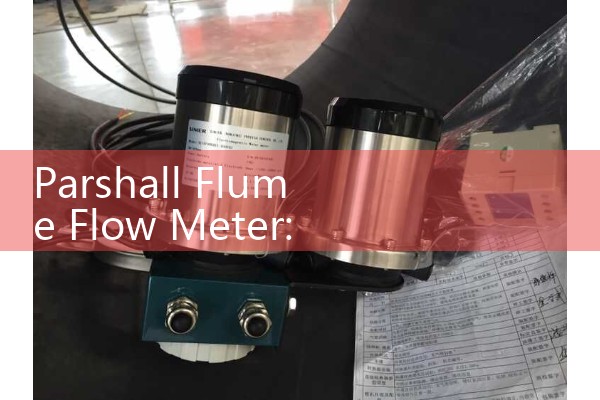 3>
3>
A paint manufacturer in Malaysia needed to measure combined wastewater from three separate process drains into one open rectangular channel. They had no space for a long approach channel. We specified a small 3‑inch Parshall flume with a wing wall inlet to calm the flow, plus our SUL‑600 ultrasonic sensor. Daily totalized volume reports via MODBUS RTU go straight to the plant SCADA. The accuracy is under 3% of actual, verified by a temporary magnetic flow meter on the transfer pump. A municipal utility in Peru operates four 12‑inch Parshall flumes at a wastewater treatment plant inlet works. Each flume has a Silver Instruments recorder that totalizes volume and triggers a composite sampler every 1000 m³. The utility submitted the daily volume logs to the environmental authority as discharge self‑monitoring records, and the data passed audit because the totalizer software exactly follows the ISO 9826 curve with the correct coefficient table loaded.
What to Send Us for a Quick Price and Model Recommendation
We need four things to quote a Parshall flume flow meter. Tell us your maximum flow in m³/h or L/s, the channel width and depth in mm, the liquid type (raw sewage, screened wastewater, effluent), and your local power supply (220 V AC or 24 V DC). Send these details to [email protected]. You can also reach us on WhatsApp at 86-135-12131526 and we reply within 6 hours during business days. If you already have an existing Parshall flume and only need the ultrasonic meter and totalizer, mention the flume throat width in inches or mm. We pre‑load the correct K and n factors at the factory so you can commission the meter in half a day.
FAQ
Can a Parshall flume meter measure both flow direction and reverse flow?
Standard Parshall flumes are unidirectional. If your wastewater channel can experience reverse flow under flood conditions, the ultrasonic sensor will still measure depth, but the transmitter will show zero flow when it detects downstream higher‑than‑upstream level. Our controller can log a reverse flow event as a separate alarm but cannot totalize negative volume unless you add a bidirectional Doppler meter in the channel.
Do I need an air purge for the ultrasonic sensor in a humid sewer environment?
Most sewage channels are very humid. Our SUL‑600 sensor includes a built‑in temperature compensation and a hydrophobic film on the transducer face. In heavy‑condensation sites in Indonesia and Guyana, we often add a simple plastic hood above the sensor to stop water drops forming on the transducer. No compressed air is needed if the sensor face is cleaned once a week with a soft cloth.
How often does the zero point of the ultrasonic level sensor drift?
The ultrasonic sensor has no real zero drift in the traditional pressure‑sensor sense. However, the sound velocity can shift if the temperature sensor is dirty. We recommend verifying the displayed distance against a manual dipstick measurement once a month. The HART handheld can trim the reading in 1‑mm steps. This takes less than 5 minutes.
Can I use the flow meter output to control a chemical dosing pump for phosphorus removal?
Yes. The XMR‑50 recorder has a 4‑20 mA retransmission output that follows the flow rate. Set the dosing pump to accept a flow‑proportional 4‑20 mA signal, and the recorder can also output relay pulses per cubic meter for a pulse‑driven metering pump. Several municipal plants in South Africa run this exact setup for ferric chloride dosing with a Parshall flume as the master flow element.
What is the typical delivery time for a complete Parshall flume system to the Middle East?
We keep standard sizes from 3 inch to 24 inch in stock. The sensor, recorder, and mounting bracket ship in 5–7 working days by DHL or FedEx. Fiberglass flumes up to 12 inch are usually ready within 10 working days. For large 24‑inch flumes or stainless steel orders, allow 4 weeks including sea freight. Send your project schedule to [email protected] and we will confirm the exact ex‑works date before you place the order.
Silver Automation Instruments
Email: [email protected]
Tel: +86-135-1213-1526
WhatsApp: 86-135-12131526
WeChat: +86 13512131526
Web: flow-meter.com.au
 Hot Product
 Related AD
