


『Digital Oxygen Flow Meter: Clinic Wall Mounted Medical Gas Telemetry Systems』Related information(flow rotameter|digital flow meter|balo meter|hydraulic flow meter|volumetric meter|positive displacement meter|pitot tube flow meter|displacement meter|cfm meter|variable area flow meter|inline flow meter|differential pressure flow meter|calibrated flow meter|velocity meter|paddle wheel flow meter|oval gear flow meter|anemometer hvac|multiphase flow meter|doppler flow meter|thorpe tube flowmeter|heat flow meter)

Digital Oxygen Flow Meter: Clinic Wall Mounted Medical Gas Telemetry Systems
Quick Answer: A digital oxygen flow meter for clinic wall mounting should show live flow, total flow, and line pressure. It should also send data over 4-20 mA HART or RS485 Modbus to a central monitoring point. Send your gas type, pressure, temperature, pipe size, and flow range to Silver Instruments for a specific quote.
What a Clinic Wall Mounted Oxygen Meter Must Show
A clinic wall mounted oxygen flow meter should display the current flow rate in L/min. It should also show total volume in m3 and the oxygen pressure in bar or kPa. Some maintenance engineers ask for temperature on the screen through a PT100 input.
Most engineers skip this part. They focus on the display and forget the output signal. In practice, the signal matters more than the screen. The meter must send data to a nurse station or a building management system. We have seen this on many customer sites.
For a 20 to 40 bed clinic, a flow range of 0 to 100 L/min is common. Larger clinics in Latin America often request 0 to 200 L/min. A wall mounted unit should be compact. A 316L stainless steel body with an IP65 front cover works well if the socket is near a wash area.
Telemetry Signals for Medical Gas Lines
Digital oxygen flow meters are rarely standalone. They connect to a telemetry loop. The loop carries data from multiple wall points back to a central screen or a small PLC. A 4-20 mA HART signal is the practical choice because it transmits flow, total, and diagnostic data over two wires.
RS485 Modbus RTU is another common option. It is popular in Southeast Asia where clinics already use a small SCADA package. The data shows oxygen usage per ward. That helps the purchasing team plan cylinder refills or PSA oxygen generator output.
Here is the thing. Wall mounted flow meters in clinics fail more often from incorrect signal wiring than from the sensor itself. That is why we ask for the output type early in the quote process.
Silver Automation Instruments supplies thermal mass flow meters with 4-20 mA HART, RS485, pulse, and relay outputs. The same meter can log total flow. A pressure transmitter on the manifold gives line pressure before and after the wall regulator.
Pipe Sizes, Pressures, and Flow Ranges
Oxygen wall lines in clinics are small bore. DN8, DN10, and DN15 are common. Pressure at the wall outlet is normally 4 bar to 5 bar. It can reach 7 bar at the manifold. Temperature stays between 15 °C and 35 °C in most tropical clinics.
Specify meter accuracy at actual gas conditions. A thermal mass flow meter for oxygen can hold ±1.5 percent of reading. That is enough for clinical gas management and leak detection. The meter body in 316L stainless steel works with medical oxygen. Avoid brass or oil
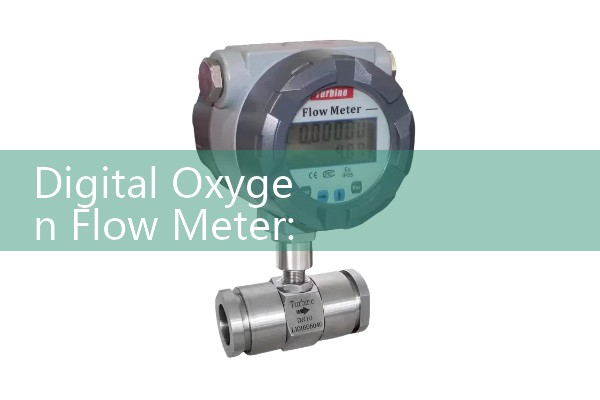
Because oxygen pressure at the wall can vary, the meter should be rated for at least 10 bar. This gives a safety margin for pressure spikes during cylinder changeover or PSA generator start-up.
We supplied a clinic in Ho Chi Minh City with a DN10 oxygen meter. They used a 0 to 100 L/min range, 4-20 mA HART output, and a wall bracket. The installation took less than one hour. The maintenance team now sees flow per floor from the central panel.
Recommended Instrument Pairing
For the wall station, pair a thermal mass flow meter with a compact pressure transmitter. The flow meter measures oxygen flow and total. The pressure transmitter reads line pressure. Both can output 4-20 mA with HART.
If the oxygen line feeds a ventilator or anesthesia machine, choose a fast response meter. Thermal mass meters respond well to changing flow. Vortex meters are not suitable for very low flow below 20 L/min. Oval gear flow meters should not be used with oxygen because they add moving parts in the gas stream.
For a clinic wall mounted medical gas telemetry system, request a meter with local display plus RS485. That gives the clinic both a visible reading and a digital signal. The local display is useful during rounds. The RS485 link feeds the telemetry system without extra signal converters.
How to Request a Quote
Send us the gas type, pressure in bar, temperature in Celsius, pipe size in DN, and flow range in L/min. Also tell us the required signal output, either 4-20 mA HART or RS485 Modbus.
Contact Silver Automation Instruments by Tel at +86-135-1213-1526. You can reach us on WhatsApp at 86-135-12131526 or WeChat at +86 13512131526. We quote wall mounted medical gas meters for Southeast Asia, Latin America, Africa, the Middle East, and Oceania.
FAQ: Digital Oxygen Flow Meter and Clinic Telemetry
Can this flow meter be used with medical oxygen? Yes. Use a clean 316L stainless steel thermal mass flow meter. Confirm that all wetted parts are oil free and oxygen cleaned for your gas supply.
What signal works best for a clinic wall mounted telemetry system? 4-20 mA HART works well because it carries flow, total, and diagnostic data over two wires. RS485 Modbus RTU is also accepted in many clinics.
What flow range should I request? For a single wall station, 0 to 100 L/min covers most oxygen therapy points. For manifold or floor lines, request 0 to 200 L/min or 0 to 500 L/min.
Do I need a pressure transmitter? It is not always required, but it helps. Pressure data shows regulator problems and leaks before they affect oxygen delivery.
What information do you need for a quote? Send gas type, pressure, temperature, pipe size, flow range, and required output. Include the clinic location and approximate quantity.
 Hot Blog
 Related AD
