

 Current position > News detail
『Positive Displacement Fuel Flow Meter: Precise Commercial Vehicle Consumption Logs』Related information(flow rotameter|digital flow meter|balo meter|hydraulic flow meter|volumetric meter|positive displacement meter|pitot tube flow meter|displacement meter|cfm meter|variable area flow meter|inline flow meter|differential pressure flow meter|calibrated flow meter|velocity meter|paddle wheel flow meter|oval gear flow meter|anemometer hvac|multiphase flow meter|doppler flow meter|thorpe tube flowmeter|heat flow meter)

Positive Displacement Fuel Flow Meter: Precise Commercial Vehicle Consumption Logs
Quick Answer
A positive displacement fuel flow meter is the practical choice for commercial vehicle fuel logs when you need repeatable data for fuel tax reporting, driver performance monitoring, or theft detection. Silver Instruments supplies oval gear positive displacement meters that measure diesel, biodiesel, and light fuel oil at low flow rates with high repeatability. Specify pulse output for fuel loggers or 4-20 mA with HART for telematics.
Why Commercial Fleets Use Positive Displacement Fuel Flow Meters
Commercial vehicle fuel consumption is not a steady process. Fuel pumps deliver small volumes. Return lines send hot fuel back to the tank. Standard turbine meters can miss low flow. A positive displacement meter measures every small pocket of liquid. The oval gear design gives a pulse for each fixed volume. That pulse count becomes your consumption log.
We have seen this on customer sites many times. A logistics company in Indonesia installed one positive displacement flow meter on each diesel truck. They wanted to track fuel burn per trip. The pulse output fed a GPS tracking unit. After three months they found two drivers whose fuel use did not match route data. That is the kind of problem a fuel log can uncover.
A bus operator in Kenya runs 18 coaches on long distance routes. Fuel theft was a concern. The company added a small oval gear meter on the main fuel supply line and another on the return line. The difference gave net engine consumption. The meter size was DN15. Flow range was 1 to 40 L/min. That meter size is typical for a bus engine. The meter body was aluminium with PTFE seals.
Installation Points That Matter on Trucks and Buses
Here is the thing. Positive displacement meters need clean fuel. A 60 mesh strainer should be installed upstream. Diesel can carry small particles. Those particles can jam the oval gears. Install the meter after a filter and before the engine supply rail. Keep the meter full of liquid. Air bubbles cause overcounting. Use a straight run of 3 pipe diameters upstream and 2 downstream if possible. Vibration is a bigger issue on trucks. Use flexible hoses at the meter inlet and outlet.
The oval gear meter can be mounted in horizontal or vertical pipes. But the meter must not trap air. We recommend horizontal mounting for most truck fuel lines. Return line measurement is critical. A diesel engine returns hot fuel. The return flow rate changes with engine speed, load, and fuel temperature. If you only measure supply flow, your log shows pumped fuel not engine consumption. Measure both supply and return. Subtract return pulses from supply pulses. Some data loggers can handle two meters. Others need a small counter module.
Output Signals and Fuel Data Logging
Positive displacement fuel flow meters work well with pulse output. Each pulse equals a fixed volume. A typical oval gear meter from Silver Instruments gives 1000 pulses per liter. Some models give 60 pulses per liter. Choose based on your data logger input frequency. For a truck traveling at highway speed, the pulse rate can reach 500 Hz. A standard telematics input can count that without issue.
4-20 mA with HART is a better choice when you need to transmit fuel rate to a PLC or engine control system. Many fleet management systems read a 4-20 m
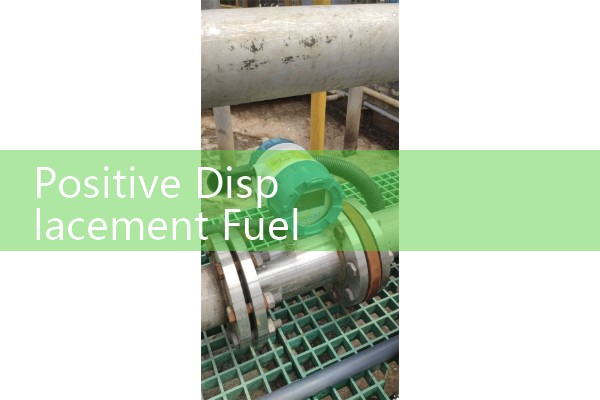
Power supply matters. A 24 V DC supply is the standard for most vehicle and industrial systems. Some meters have a battery powered totalizer. We recommend 24 V DC loop powered for 4-20 mA outputs. The pulse output can be open collector NPN. Check your data logger input pull-up voltage.
Recommended Silver Instruments Configuration
For a commercial vehicle consumption log, we suggest a Silver Instruments oval gear positive displacement flow meter with an aluminium body, PTFE seals, and 24 V DC power. Choose DN15 for flow rates up to 40 L/min or DN20 for up to 80 L/min. Specify a pulse output with 60 or 1000 pulses per liter and a 4-20 mA HART output for rate monitoring. Add a 60 mesh strainer and install the meter after the filter. If the fuel line runs at high temperature or uses additives, choose stainless steel internals.
The OG series from Silver Instruments covers DN15 to DN50. Accuracy is not the same as repeatability. The oval gear meter has an accuracy of plus or minus 0.5 percent of reading for flow rates above 2 L/min. Repeatability is often plus or minus 0.1 percent. For fleet fuel auditing, repeatability is more useful than absolute accuracy.
A food distributor in the Philippines used this setup on 12 delivery vans. They installed one meter on the supply line and one on the return line. The totalizer difference matched the fuel receipts within 2 percent. That is acceptable for fleet audits.
FAQ: Positive Displacement Fuel Flow Meter for Vehicle Consumption Logs
Q1. What is the best fuel flow meter for diesel consumption logging in trucks?
A positive displacement oval gear fuel flow meter is usually the best because it measures low flow and gives a direct pulse total. Silver Instruments supplies these meters in DN15 to DN50 sizes.
Q2. Do I need two fuel flow meters for a diesel engine?
Yes for accurate net engine consumption. Measure the supply line and the return line. Net consumption is supply flow minus return flow.
Q3. What output signal should I choose for a fleet telematics system?
Pulse output is simplest. Each pulse represents a fixed volume. If your telematics unit accepts frequency inputs, use an open collector pulse. For PLC integration choose 4-20 mA with HART.
Q4. How do I size a positive displacement fuel flow meter for a commercial vehicle?
Provide the fuel flow range, pipe size DN, fuel temperature, and pressure. For most trucks and buses, DN15 with 1 to 40 L/min works. For larger engines use DN20 or DN25.
Q5. What maintenance does a positive displacement fuel flow meter need?
Clean the upstream strainer every 500 hours or monthly. Inspect the oval gears if the flow reading becomes unstable. Keep the meter full of fuel. Avoid dry running.
Get a Configuration Quote for Your Fleet
Send us your pressure (bar), temperature (°C), pipe size (DN), and flow range. We will recommend the right oval gear positive displacement flow meter for your commercial vehicle consumption log.
Contact Silver Automation Instruments
Tel: +86-135-1213-1526
WhatsApp: 86-135-12131526
WeChat: +86 13512131526
For product data sheets, see flow-meter.com.au.