

 Current position > Product detail
『AWWA Meter Flow Rates: Sourcing Standard Municipal Water Main Capacities』Related information(flow rotameter|digital flow meter|balo meter|hydraulic flow meter|volumetric meter|positive displacement meter|pitot tube flow meter|displacement meter|cfm meter|variable area flow meter|inline flow meter|differential pressure flow meter|calibrated flow meter|velocity meter|paddle wheel flow meter|oval gear flow meter|anemometer hvac|multiphase flow meter|doppler flow meter|thorpe tube flowmeter|heat flow meter)

AWWA Meter Flow Rates: Sourcing Standard Municipal Water Main Capacities
Quick Answer: Municipal water main capacity depends on pipe diameter and flow velocity. For DN150 to DN1200 mains, typical flow rates range from about 60 m3/h to over 12000 m3/h. Silver Automation Instruments supplies electromagnetic flow meters and insertion magmeters sized for AWWA water main conditions. Send us your pipe DN, pressure in bar, water temperature in °C, and normal and peak flow in m3/h.
Water utilities usually size mains between 0.5 and 2.5 m/s velocity. At 1 m/s a DN150 pipe moves about 63.6 m3/h. At 1.5 m/s a DN600 pipe moves about 1221 m3/h. Most engineers skip the manual area calculation when sizing larger mains. But the formula is simple: flow rate equals pipe area times average velocity. That is useful when a bid document lists only velocity and pipe DN.
AWWA Flow Rate Ranges for Common Municipal Water Mains
We have seen customer sites in Southeast Asia and the Middle East operate within AWWA recommended velocities. A DN200 main at 1 m/s carries around 113 m3/h. A DN400 main at 1.2 m/s carries around 542.9 m3/h. A DN1000 main at 1.5 m/s carries around 4241 m3/h. These are real numbers we use when sizing meters for water authorities and EPC contractors.
No single meter covers every main. Small DN100 and DN150 pipes work well with inline electromagnetic flow meters. Large DN700 and bigger mains often suit insertion electromagnetic flow meters. The insertion type installs through a hot tap without draining the line. That matters because a live water main cannot be shut down on demand in most cities.
Meter Selection Based on Water Main Capacity
An inline electromagnetic flow meter has no moving parts. It handles clean raw water, treated potable water, and some surface water with low solids. Liner options include hard rubber for standard municipal water and PTFE for higher temperature or chemical dosing lines. Electrode material 316L works for most potable water. For coastal desalination plants, we often specify titanium or Hastelloy electrodes because chloride levels can exceed 10000 mg/L.
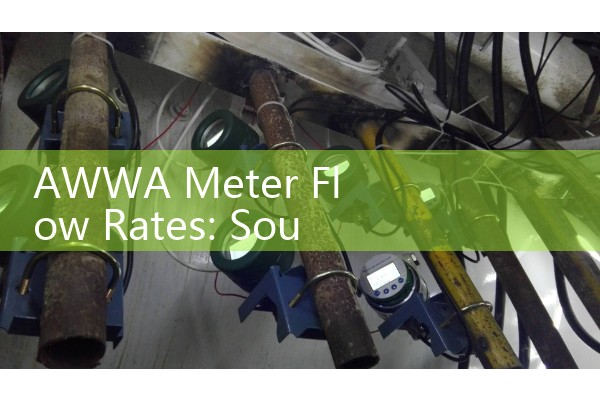
Insertion electromagnetic flow meters fit DN200 to DN3000 mains. A hot tap installation allows the meter to enter a pressurized line. Water utility crews in Vietnam and the Philippines have used this method on DN800 and DN900 mains. Flow range is calculated from the pipe internal diameter and average velocity. The meter outputs 4-20 mA HART, pulse, and Modbus RTU. This gives a simple connection to SCADA or a local flow totalizer.
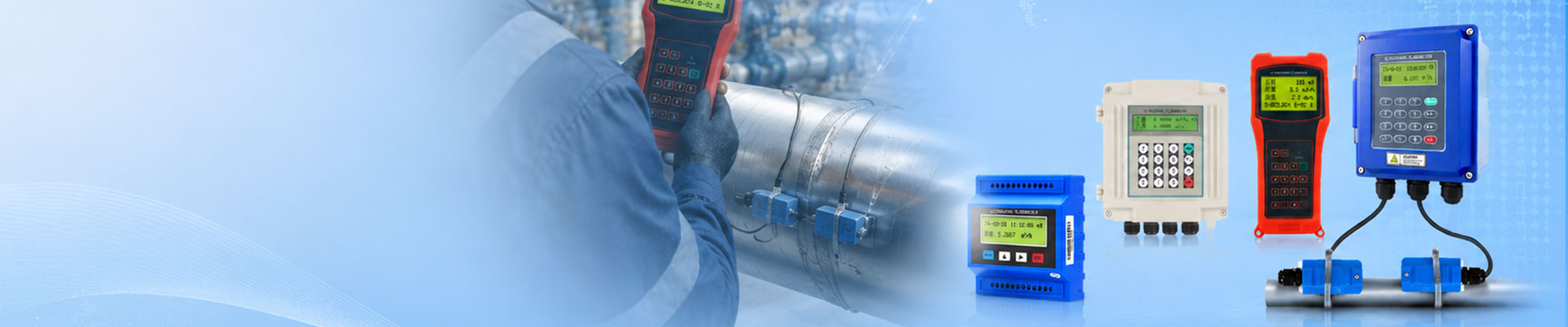
Clamp-on ultrasonic flow meters help when you cannot stop flow or cut the pipe. They are used for temporary flow surveys on large transmission mains. Accuracy is lower than a full bore magmeter but acceptable for leak detection and network balancing. Most project managers buy a clamp-on meter first and later install inline meters at key zones.
Pressure and Temperature Data You Need to Specify
Flow rate alone is not enough for a reliable quote. We ask for pipe DN, pressure rating in bar, water temperature in °C, and the normal and peak flow in m3/h. For a standard municipal water main at 6 bar and 25 °C, a rubber lined electromagnetic flow meter is common. For 16 bar transmission lines, we supply a higher pressure rated meter body. For raw water at 40 °C or above, the liner and electrode material must b
Here is the thing. A water utility EPC often specifies AWWA C700 or C750 for cold water meters. But those standards may not cover large electromagnetic meters. In that case, we align with ISO 4064 and AWWA M6 practices for flow measurement. Ask your consulting engineer which standard applies to the main. If no standard is named, send us the bid sheet and we will suggest a suitable meter.
Common Installation Details on Municipal Water Mains
Electromagnetic flow meters need a full pipe. Mount the meter in a low point or upward flow section. Do not install it at the highest point of a line where air collects. For insertion meters, allow enough straight pipe upstream and downstream. Ten diameters upstream and five downstream is a normal rule for many sites. Some city water mains have limited excavation space, so a compact insertion probe can work where a full bore meter cannot fit.
We have supplied a DN300 electromagnetic flow meter to a water booster station in Indonesia. The meter ran at 380 m3/h normal and 450 m3/h peak. It used a hard rubber liner and 316L electrodes. The output was 4-20 mA HART to the plant PLC. That project needed a pressure transmitter too. We supplied a 10 bar pressure transmitter with a local indicator and HART output. Total lead time was 18 days with air freight to Jakarta.
How to Get a Firm Quote
Send us your pipe size in DN, operating pressure in bar, water temperature in °C, and normal and peak flow in m3/h. Also mention the installation type: inline, insertion, or clamp-on. If you need Ex approval, tell us the zone. For potable water, mention drinking water approval needs. Many tenders require NSF or local certification. We can supply test certificates and material traceability.
Our contact details are below.
Tel: +86-135-1213-1526
WhatsApp: 86-135-12131526
WeChat: +86 13512131526
We respond within 24 hours on working days. A clear data set leads to a faster quotation. Most quotes are ready in 1 to 2 days once we confirm the application details.
FAQ
1. What flow meter type meets AWWA standards for potable water mains?
For clean potable water, full bore electromagnetic flow meters with rubber liners and 316L electrodes are the standard choice. Insertion electromagnetic meters work well for large mains DN400 and above.
2. How do I calculate flow rate from pipe diameter and velocity?
Use the formula flow rate equals pipe cross section area times average velocity. For example, a DN600 pipe at 1.2 m/s moves about 1221 m3/h. This matches line capacity for many municipal mains.
3. Can I install a flow meter on an existing live water main?
Yes. An insertion electromagnetic flow meter can be installed under pressure with a hot tap. The pipe stays in service during installation. This is common in city water networks.
4. What pipe sizes can an electromagnetic flow meter handle?
Inline electromagnetic flow meters cover DN15 to DN2000. Insertion magmeters cover DN200 to DN3000. Clamp-on ultrasonic meters handle DN15 to DN6000 for temporary or non-intrusive measurement.
5. What data do you need for a quote?
Send us pipe DN, pressure in bar, water temperature in °C, normal and peak flow in m3/h, and installation type. Also tell us if the meter must meet AWWA, ISO 4064, or local drinking water standards.