

 Current position > Product detail
『Flow Meter Piping Requirements Blueprint: Design Considerations for Efficient Fluid Flow』Related information(flow rotameter|digital flow meter|balo meter|hydraulic flow meter|volumetric meter|positive displacement meter|pitot tube flow meter|displacement meter|cfm meter|variable area flow meter|inline flow meter|differential pressure flow meter|calibrated flow meter|velocity meter|paddle wheel flow meter|oval gear flow meter|anemometer hvac|multiphase flow meter|doppler flow meter|thorpe tube flowmeter|heat flow meter)

Flow Meter Piping Requirements Blueprint: Design Considerations for Efficient Fluid Flow
Quick Answer: Flow meter accuracy starts with pipe layout. Keep straight runs, match pipe size to velocity, and control air, vibration, and grounding. Send us your pressure in bar, temperature in degrees Celsius, pipe size in DN, and flow range for a piping review.
Straight Run Requirements by Meter Type
Electromagnetic flow meters need straight pipe. We normally specify 5D upstream and 2D downstream. Some compact magmeters work with 3D upstream, but only when the flow profile is stable.
Vortex flow meters need longer runs. Use 15D upstream and 5D downstream after a control valve. We saw a steam line in Indonesia jump 4 percent after a valve was moved too close to the meter.
Ultrasonic flow meters often need 10D upstream and 5D downstream. For clamp-on types, clean the pipe surface. Rust or scale under the transducers weakens the signal.
Coriolis meters care less about straight run. They care about pipe stress. Support the pipe on both sides, not the meter body.
Pipe Size and Flow Velocity
Match velocity to the meter type. For electromagnetic flow meters, keep liquid velocity between 0.3 m/s and 10 m/s. The practical range is 1 to 3 m/s. Lower than 0.3 m/s gives unstable readings. Higher than 10 m/s wears the liner.
Do not oversize the meter. Many engineers match the meter to the pipe DN to save flanges. This kills low flow accuracy. A paint manufacturer in Southeast Asia had no signal on a DN100 vortex meter at 0.2 m/s. We installed a smaller meter body with reducers. The signal became clean.
Alignment, Gaskets, and Flange Fit
A 2 mm flange mismatch can disturb the flow profile. Use a torque wrench and tighten bolts in a star pattern. This applies to magmeters, vortex meters, and Coriolis meters.
Gaskets must not protrude into the pipe. A rubber gasket sticking out 3 mm creates a blunt edge. That edge trips the boundary layer and causes swirl. We have seen this on customer sites in the Philippines.
For PTFE lined electromagnetic flow meters, use flat gaskets only. Spiral wound gaskets can cut the liner. If the liner cracks, the meter is scrap.
Air, Vapour, and Solids in the Pipe
Air bubbles cause false readings on magmeters and Coriolis meters. Mount the meter in a rising pipe section where possible. That keeps bubbles moving and reduces buildup.
For slurry or wastewater, use a hard rubber liner. Silver Instruments supplies electromagnetic flow meters with PTFE, PFA, and hard rubber liners. Hard rubber works for abrasive sludge. PTFE works for aggressive chemicals.
Do not install a flow meter at the pump suction side. Cavitation and low pressure release dissolved gas. The signal becomes noisy.
Vibration, Supports, and Grounding
Vibration is a common killer of vortex and Coriolis meters. Install pipe supports on both sides of the meter. For Coriolis meters, support th
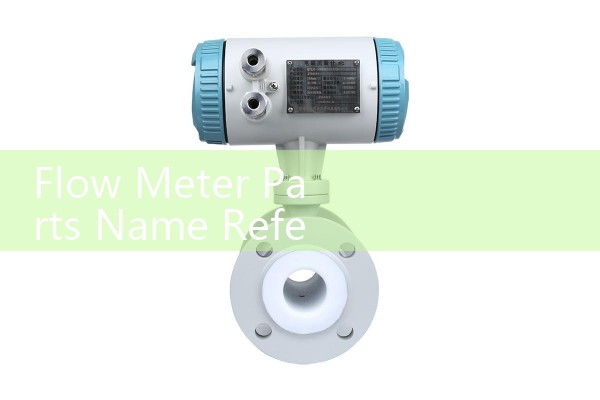
Electromagnetic flow meters need proper grounding. Use grounding rings or grounding electrodes when the pipe is lined or made of plastic. A wastewater plant in Malaysia had a magmeter reading 20 percent high. The contractor skipped the grounding ring. After installing one, the reading matched the reference meter within 0.5 percent.
Check the ATEX Zone rating before installation. Silver Instruments offers flameproof and intrinsically safe versions for Zone 1 and Zone 2.
Pressure and Temperature Limits at the Meter
Pipeline pressure and temperature can exceed the meter rating. A vortex meter with standard electronics may fail above 250 degrees Celsius. Use a remote mounted transmitter or a high temperature sensor.
For Coriolis meters, check the process connection rating. A DN50 stainless steel meter with 316L flanges handles 40 bar at 20 degrees Celsius. At 180 degrees Celsius, the pressure limit drops.
Send us your pressure in bar and temperature in degrees Celsius. We will confirm the right meter body and liner for your pipe size.
Installation Tips for Specific Industries
Oil and gas terminals in the Middle East often use skid mounted flow meters. Keep the meter after the filter and before the loading arm. A Coriolis meter handles density changes in crude or condensate.
Water and wastewater plants in Southeast Asia use electromagnetic flow meters. Place the meter after the inlet gate valve in a straight section. Avoid partially filled pipes. If the line can run empty, select the empty pipe detection option.
Food and beverage plants need hygienic connections. Use Tri Clamp or DIN 11851 fittings. Clean in place systems can reach 130 degrees Celsius. A Coriolis meter with stainless steel wetted parts works well for syrup, milk, or beer.
Marine fuel measurement calls for oval gear flow meters. They handle high viscosity fuel oil from 10 to 5000 cP. Install a strainer and a bypass line so you can clean the filter without stopping the flow.
FAQ
What is the minimum straight run for an electromagnetic flow meter? Standard is 5D upstream and 2D downstream. Compact installations can work with 3D upstream if the flow profile is stable.
Can I install a flow meter in a vertical pipe? Yes. For liquids, install with flow going upward. This helps keep the pipe full.
Why does my magmeter reading jump when the pump starts? Air bubbles, grounding problems, or a partially filled pipe. Check the grounding ring and the pump suction condition.
What pipe size should I choose for low flow? If your velocity is below 0.3 m/s, use a smaller meter body with reducers. Do not match the line size blindly.
Do you supply flow meters with ATEX approval? Yes. Silver Instruments supplies flameproof and intrinsically safe flow meters for ATEX Zone 1 and Zone 2.
Contact Silver Automation Instruments: Tel: +86-135-1213-1526. WhatsApp: 86-135-12131526. WeChat: +86 13512131526.